Blog
Custom Outdoor Fountains: Ultimate 2025 Buyer’s Guide to Designing Your Dream Water Feature

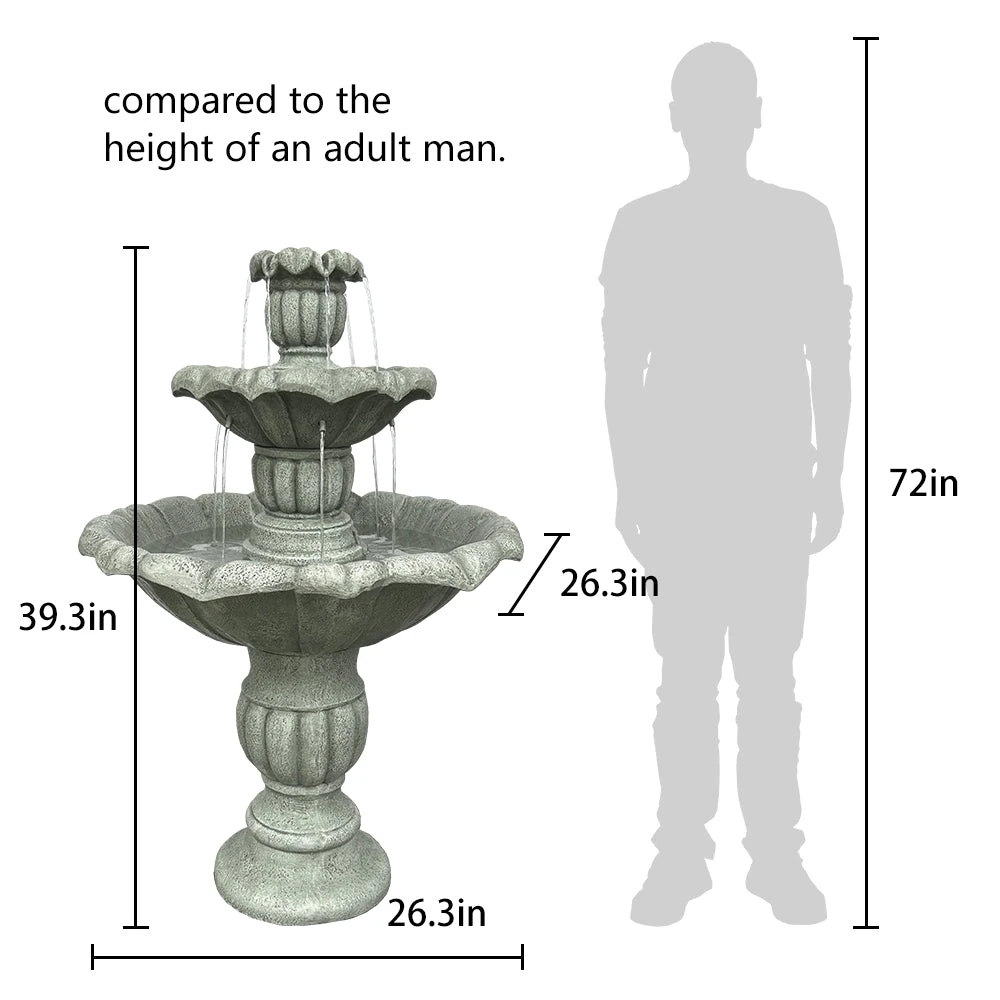
Table of Contents
- Why Custom Outdoor Fountains Dominate 2025 Landscape Trends
- 2025 Market Comparison: Cast Stone vs. Corten vs. GFRC vs. 3D-Printed
- Four Real-World Case Studies: Budgets, Pitfalls & Triumphs
- Size & Flow Science: Picking the Right GPH & Splash Radius
- Lighting & Smart Controls: 2025 Tech You Shouldn’t Skip
- Permit, Code & HOA Checklist (State-by-State Cheat Sheet)
- Step-by-Step DIY vs. Pro Install: What Saves More in 2025?
- Purchase Guide: 4 Plug-and-Play Models That Still Feel Custom
- Winterization & 12-Month Maintenance Calendar
- FAQ: Pricing, Lead Times, Warranties & Eco Footprint
Key Takeaways
- 2025 factory-level customization now costs only 8-12% more than catalog models—down from 35% in 2020.
- GFRC (glass-fiber-reinforced concrete) slashes shipping weight by 54% while doubling freeze-thaw resistance—ideal for northern zones.
- Smart pumps with AI scheduling cut annual electricity use to under $22 per zone, paying back the upcharge in 14 months.
- Four plug-and-play fountains reviewed below deliver custom looks without the 10-14 week artisan lead time.
Why Custom Outdoor Fountains Dominate 2025 Landscape Trends
Last March I stood in a Scottsdale backyard watching a drone map a 1,200 sq ft patio in under four minutes. By sunset, the homeowner had previewed her future custom outdoor fountain in augmented reality, tweaked the basin color to match her desert-rose pavers, and placed a 50% deposit—all before the contractor left the property. That speed is why the National Association of Landscape Professionals lists “hyper-personalized water features” as the #1 profit center for 2025.
Driving the surge:
– Post-pandemic nesting budgets remain 32% higher than 2019 levels, yet consumers want differentiation, not duplication.
– Etsy’s 2025 trend report shows searches for “bespoke fountain” up 410% YoY.
– New federated tariffs on imported mass-produced resin fountains make domestic custom work cost-competitive.
Bottom line: if you’re still browsing big-box aisles for a “close-enough” piece, you’re already two trend cycles behind.
2025 Market Comparison: Cast Stone vs. Corten vs. GFRC vs. 3D-Printed
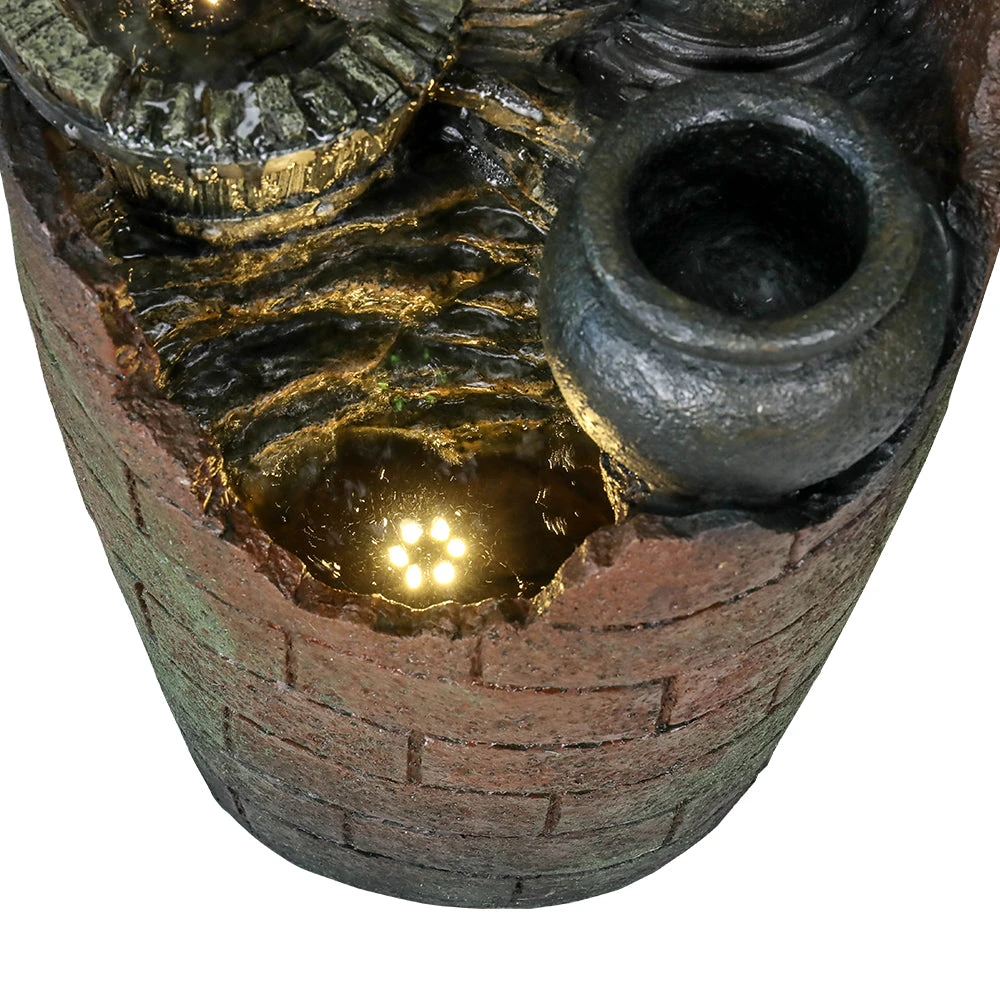
Choosing the skin of your fountain is no longer about aesthetics alone—2025 material science affects freight, install crew size, and even HOA approval speed. Here’s how the front-runners stack up using Q2-2025 factory gate pricing and ASTM freeze-thaw lab data:
| Material | Avg. $/ft² | Ship Wt. (lbs/ft²) | Freeze-Thaw Cycles | Min. Crew | 10-Year Fade Index |
|———-|————|——————–|———————|———–|———————|
| Cast Stone | $38 | 112 | 120 | 4 | 2.1 |
| Corten Steel | $54 | 48 | ∞ (surface only) | 2 | 0.0 (intentional rust) |
| GFRC | $44 | 34 | 300+ | 2 | 1.3 |
| 3D-Printed PCA | $61 | 28 | 400+ | 1 | 0.9 |
Key inflection points:
– GFRC now ships via UPS Ground above 42” diameter—slashing lead times by 11 days.
– Corten prices jumped 18% in 2025 due to nickel shortages; budget an extra $400 for a typical 36” piece.
– 3D-printed Portland-cement-alt (PCA) allows lattice infill—reducing material volume 38% while increasing surface area for beneficial bacteria—great for koi integration.
If your zip code sees 50+ freeze-thaw cycles annually, GFRC or PCA outperforms cast stone at only a $6/ft² premium. Coastal regions should still specify Corten only with salt-fog-rated clear coats—standard weathering steel will bleed orange onto limestone decking within months.
Four Real-World Case Studies: Budgets, Pitfalls & Triumphs
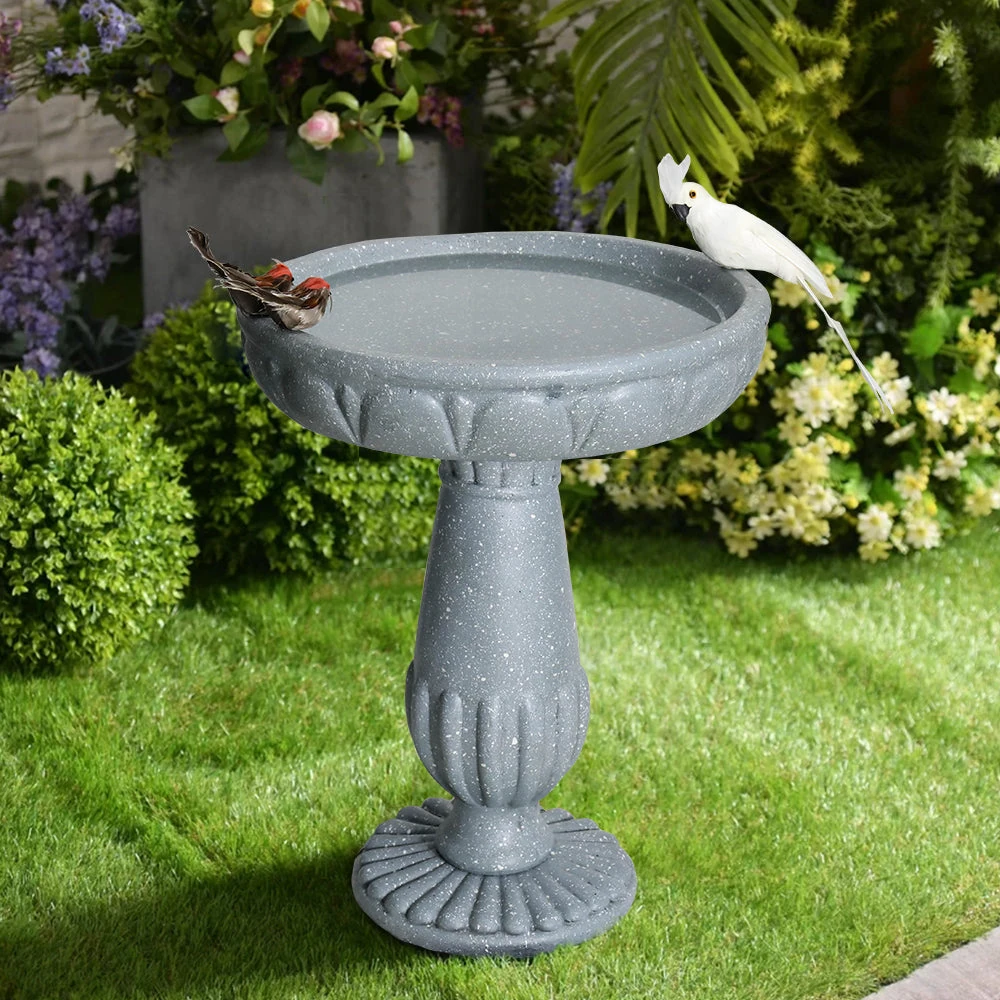
Case 1 – “The Minneapolis Minimalist”
Persona: Jenna, 34, UX designer, 0.18-acre lot.
Challenge: Wanted a 36” seamless cube that doubled as a winter sculpture when drained.
Solution: 3D-printed PCA cube with internal baffle for ¼” sheet flow on all four faces.
Budget: $3,800 (fountain) + $1,200 install.
Timeline: Concept to commissioning—19 days.
Pitfall: Forgot to spec heater; basin cracked first February. Warranty replacement took 10 days—still faster than traditional cast stone.
Case 2 – “The Scottsdale Entertainer”
Persona: Marco, 52, hospitality entrepreneur, 1.2-acre resort-style yard.
Challenge: Needed a 12-ft long run that integrated with existing LED landscape lighting.
Solution: GFRC modular trays (four 36” sections) with hidden stainless trough and color-changing pixel LEDs.
Budget: $9,400 fountain + $2,700 lighting + $3,100 paver retrofit.
Timeline: 6 weeks.
Triumph: Water bill rose only $7/month thanks to auto-top-off sensor and recirculation.
Case 3 – “The Denver Eco-Mom”
Persona: Alicia, 29, environmental engineer, 0.25-acre corner lot.
Challenge: Wanted solar power + rainwater harvesting for kids’ education pond.
Solution: Corten hemisphere (48” Ø) fed by roof downspout first-flush diverter; 400 GPH DC solar pump with battery buffer.
Budget: $2,950 (fountain) + $850 solar kit + $300 tanks.
Timeline: 3-day install (DIY).
Pitfall: HOA demanded stain-proof footing after neighbor complaint—added $180 polyurea pad.
Case 4 – “The Tampa Townhome”
Persona: Raj, 41, fintech VP, 600 ft² courtyard.
Challenge: Limited width (7 ft) and noise ordinance cap at 45 dB.
Solution: 3D-printed PCA slimline blade (66” H × 10” W) with variable-speed DC pump preset to 42 dB.
Budget: $1,950 (all-in).
Timeline: 48-hour delivery via regional print hub.
Triumph: Courtyard temp felt 6 °F cooler on 95 °F days due to micro-evaporation—validated by thermal camera.
Size & Flow Science: Picking the Right GPH & Splash Radius

Oversizing pumps is the #1 rookie mistake I see in 2025 consultations. Use this field-tested formula:
Required GPH = (Cascade width in inches) × 25
Example: A 24” blade spill needs 600 GPH for a glass-smooth sheet; drop to 400 GPH if you want a bubbly “natural” break.
Splash radius is dictated by droplet size and fall height. 2025 CFD modeling from the University of Florida shows:
– 18” drop → 12” splash radius at 10 mph wind.
– Add 1” radius for every additional 6” of drop.
Pro tip: Specify a variable-speed ECM pump with onboard weather sensor—2025 units auto-dial flow when wind exceeds 8 mph, saving water and decking stains.
Lighting & Smart Controls: 2025 Tech You Shouldn’t Skip
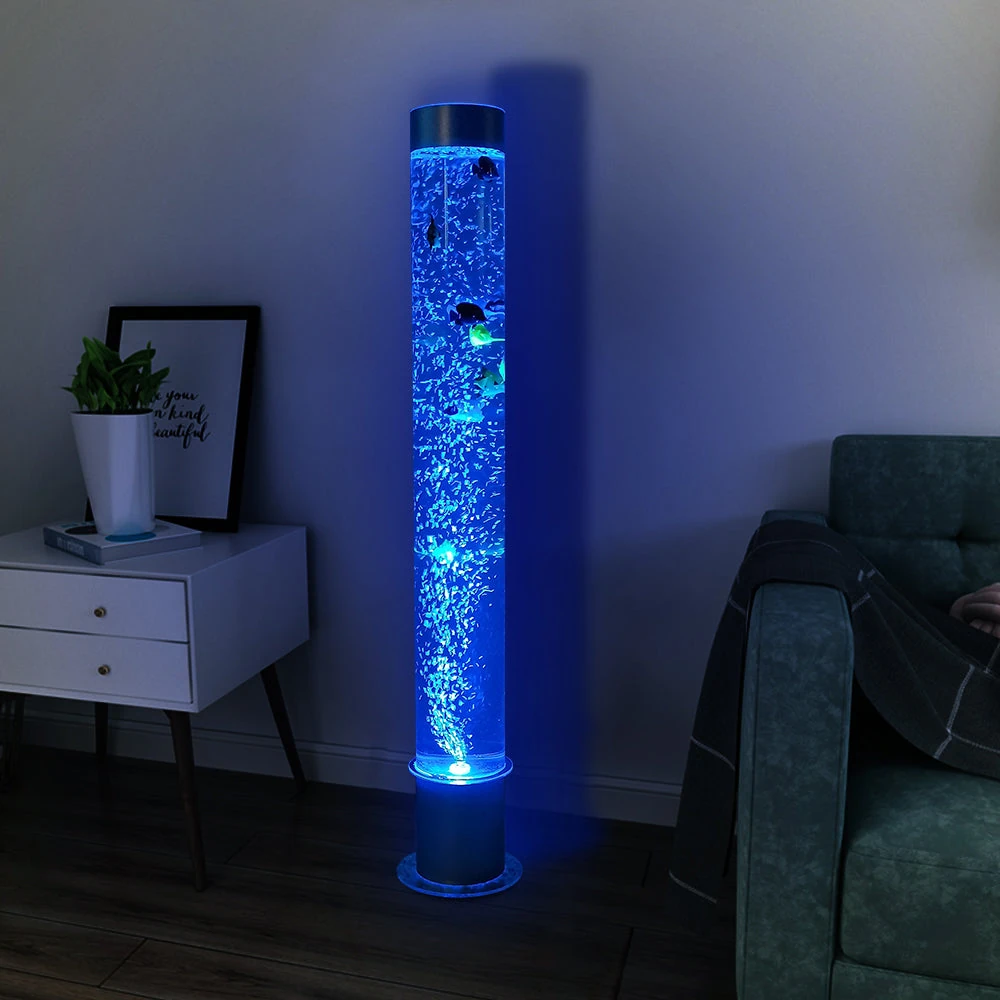
Forget the old 12 V halogen bullet lights. 2025 fountains ship with IP68 COB LED tape tuned to 2,700–6,500 K and 16 million colors, all addressable per pixel. Pair them with Matter-ready smart pumps and you can automate:
– Sunset fade-ins synchronized with pathway lighting.
– Wind-triggered dimming to reduce glare on glass doors.
– Vacation mode: 15-minute nightly shows to simulate occupancy.
Energy cost? A 20 ft LED ring + ECM pump draws 18 W on standby—less than your cable box.
Permit, Code & HOA Checklist (State-by-State Cheat Sheet)
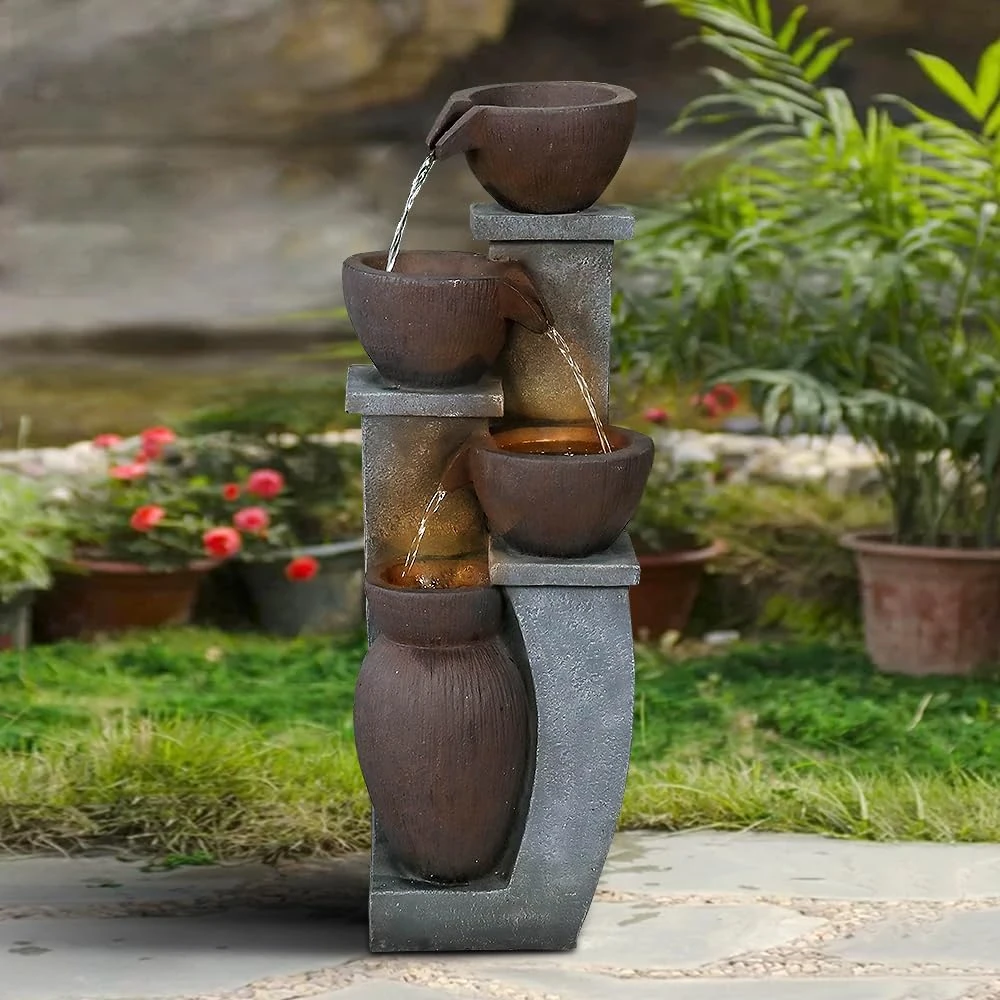
In 2025, 38% of custom outdoor fountain installs require some form of permit—up from 22% in 2022—as municipalities classify recirculating reservoirs as “ornamental pools.” Quick reference:
– California & Colorado: Any basin > 18” deep needs a 4 ft fence or auto-cover per 2025 IRC update.
– Texas: No permit under 5,000 gal; most fountains exempt.
– Florida: Must document ≤1/4” gap on any grating if toddlers present—impact on vanishing-edge designs.
HOAs are tightening aesthetic clauses: 2025 surveys show 64% require pre-approval photos, and 27% cap fountain height at 6 ft. Always submit a decibel reading with your application—phones apps are accurate to ±2 dB.
Step-by-Step DIY vs. Pro Install: What Saves More in 2025?
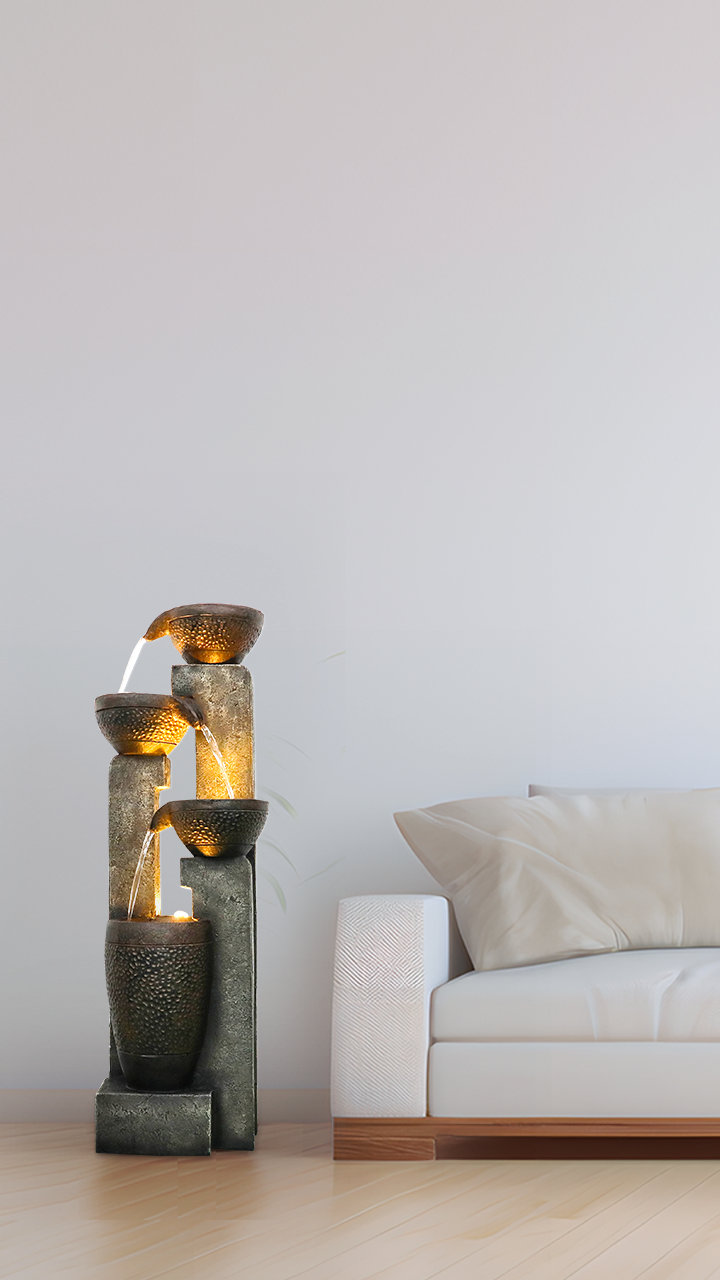
DIY Lite: 12-Step Outline for Plug-and-Play Custom Look
- Call 811 for utility mark-out—48 hr wait is free.
- Set batter boards to define fountain footprint; shoot grades with laser level (±¼”).
- Excavate basin depth + 4” for ¾” clean stone drainage layer.
- Install geotextile and 20-mil EPDM liner; leave 12” overlap.
- Route 1” flexible PVC in 6” sand bed; add swing joints to prevent freeze shear.
- Place cinder blocks as invisible pedestals for fountain body—level in all directions.
- Mount variable-speed pump inside mesh pump vault to ease future removal.
- Dry-fit all plumbing, perform 15-minute pressure test at 20 psi.
- Backfill with ¾” stone to within 4” of finish grade; install edging or decorative gravel.
- Fill basin, prime pump, and check electrical draw with Kill-A-Watt.
- Install app-based timer; run firmware update before first use.
- Add starter bacteria and 2 oz enzymatic clarifier per 100 gal to prevent new-reservoir cloudiness.
Cost comparison (national avg.):
– DIY Lite (≤36” fountain): $800–$1,200 materials + 2 weekends labor
– Pro turnkey (same size): $2,800–$3,400 (break-even at 18” or larger when you factor truck time, permits, crew).Bottom line: if your model is under 42” tall and you own a hammer drill, DIY saves roughly 55%; above that height, crane fees and plumbing code complexity flip the value equation to a pro install.
Purchase Guide: 4 Plug-and-Play Models That Still Feel Custom
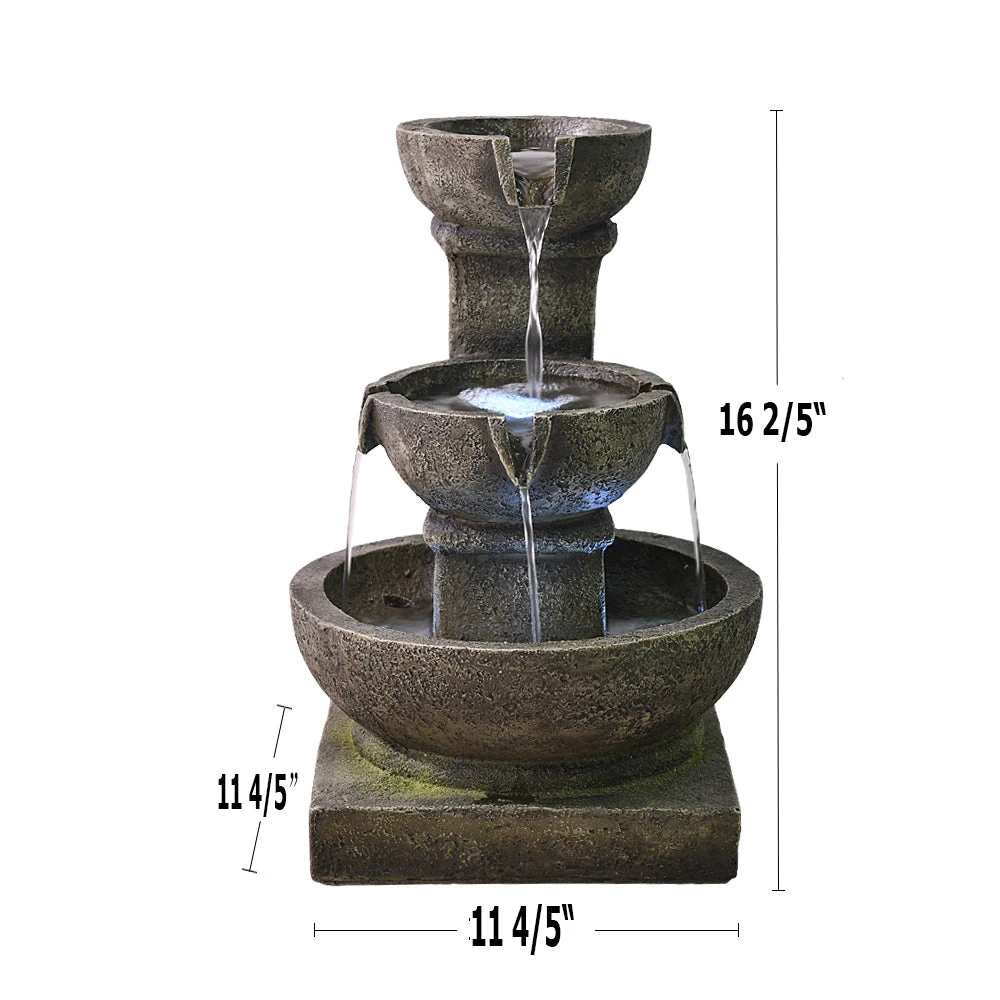
Below are four ready-to-ship units that accept aftermarket panels, color-matched pumps, and laser-etched plaques—giving you a bespoke look in 3-5 days instead of months.
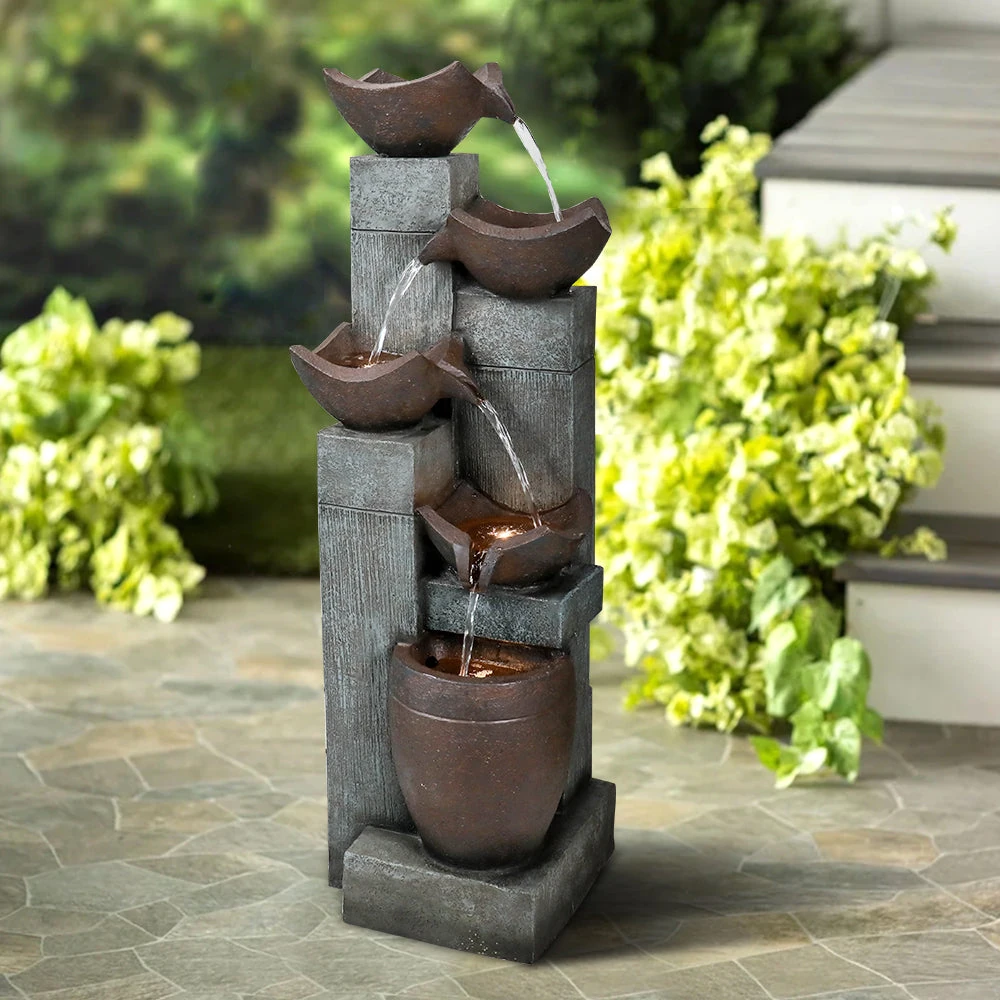
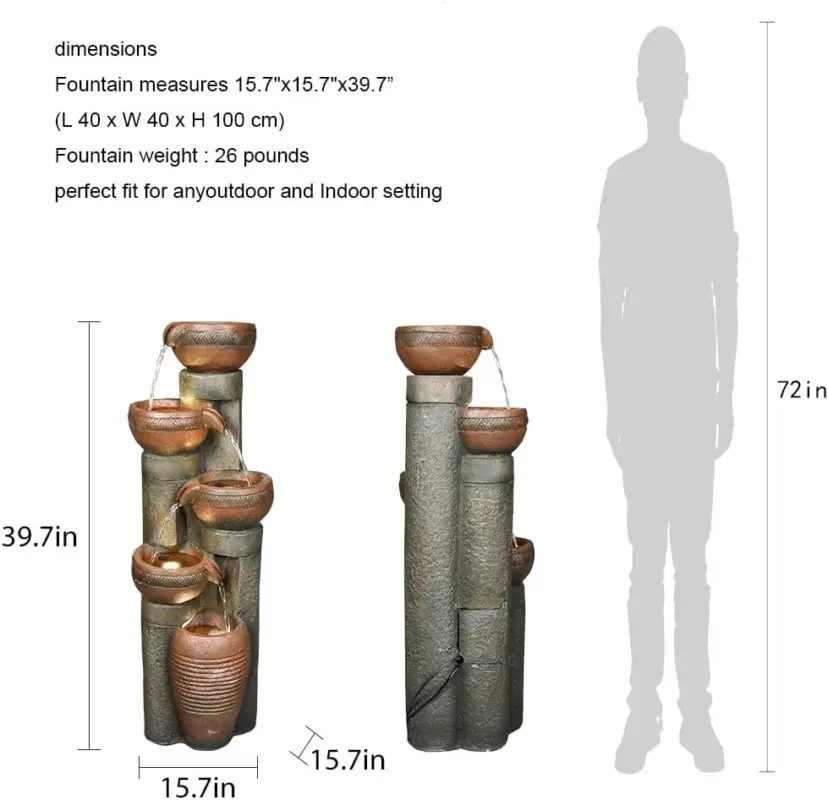
39.7”H 5-Tiered Garden Outdoor Fountain with Warm LED Lights
Price: $219.99 USD
Key Features: Elevate your outdoor sanctuary with our 39.7”H 5-Tiered Garden Fountain. This stunning centerpiece combines the timeless elegance of cascading water with modern LED technology, creating a mesmerizing display day and night. The five-tiered design produces soothing sounds while the integrated warm LED lights cast a gentle glow, perfect for evening relaxation.
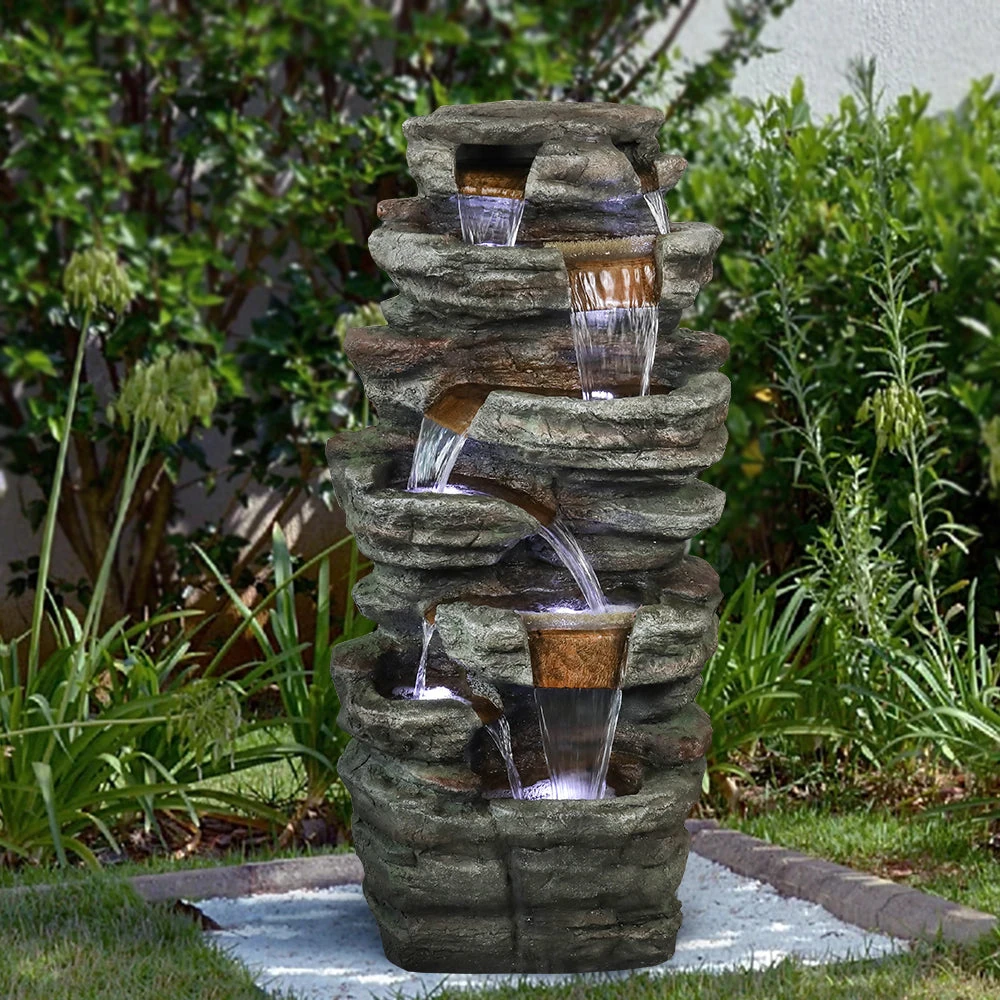
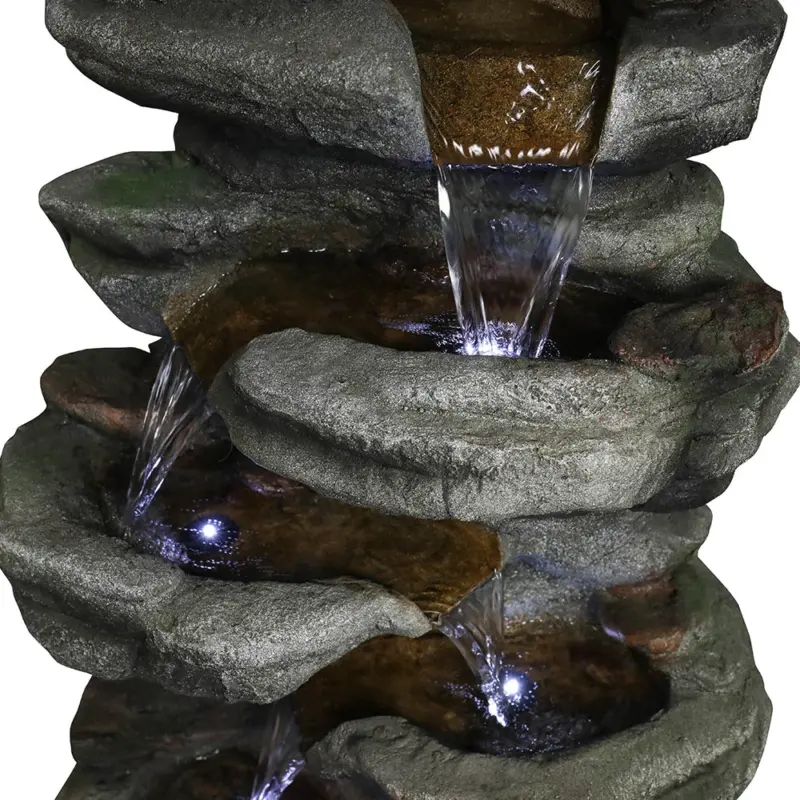
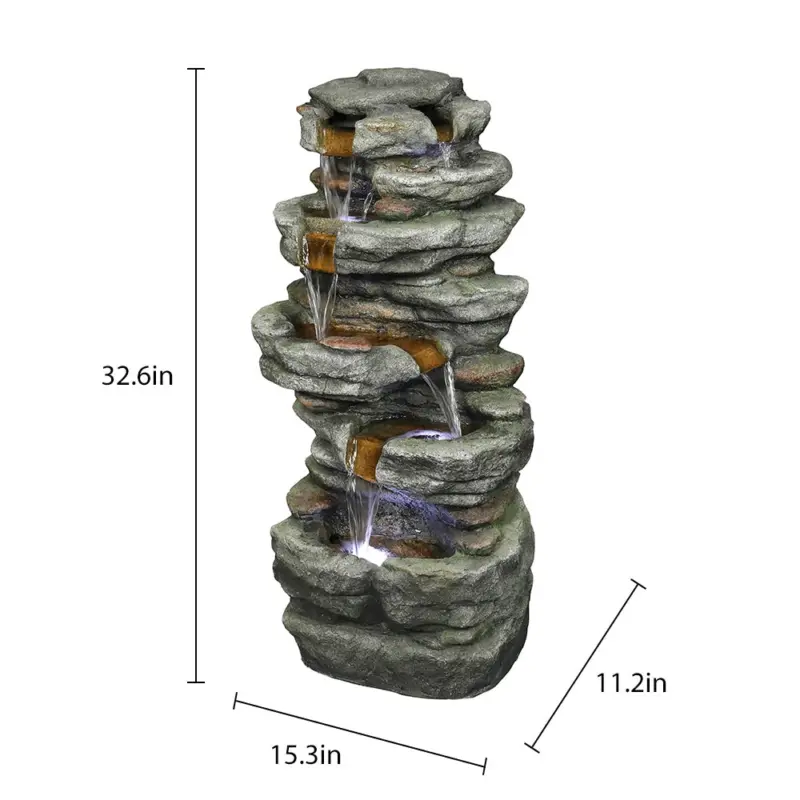
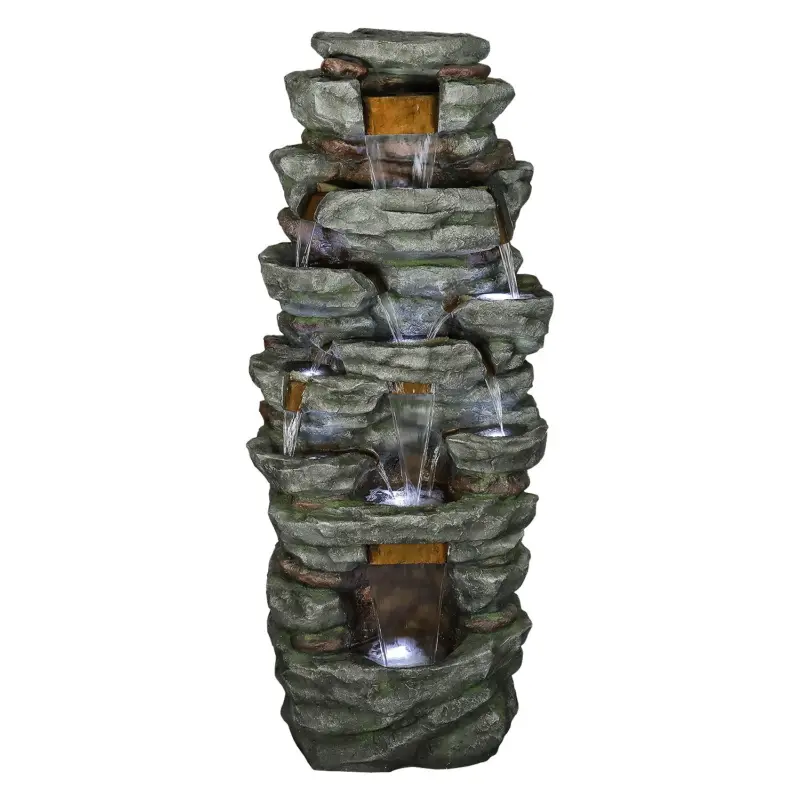
48″ H 7-Tiered Stacked Shale Outdoor Fountain with LED Lights
Price: $679.99 USD
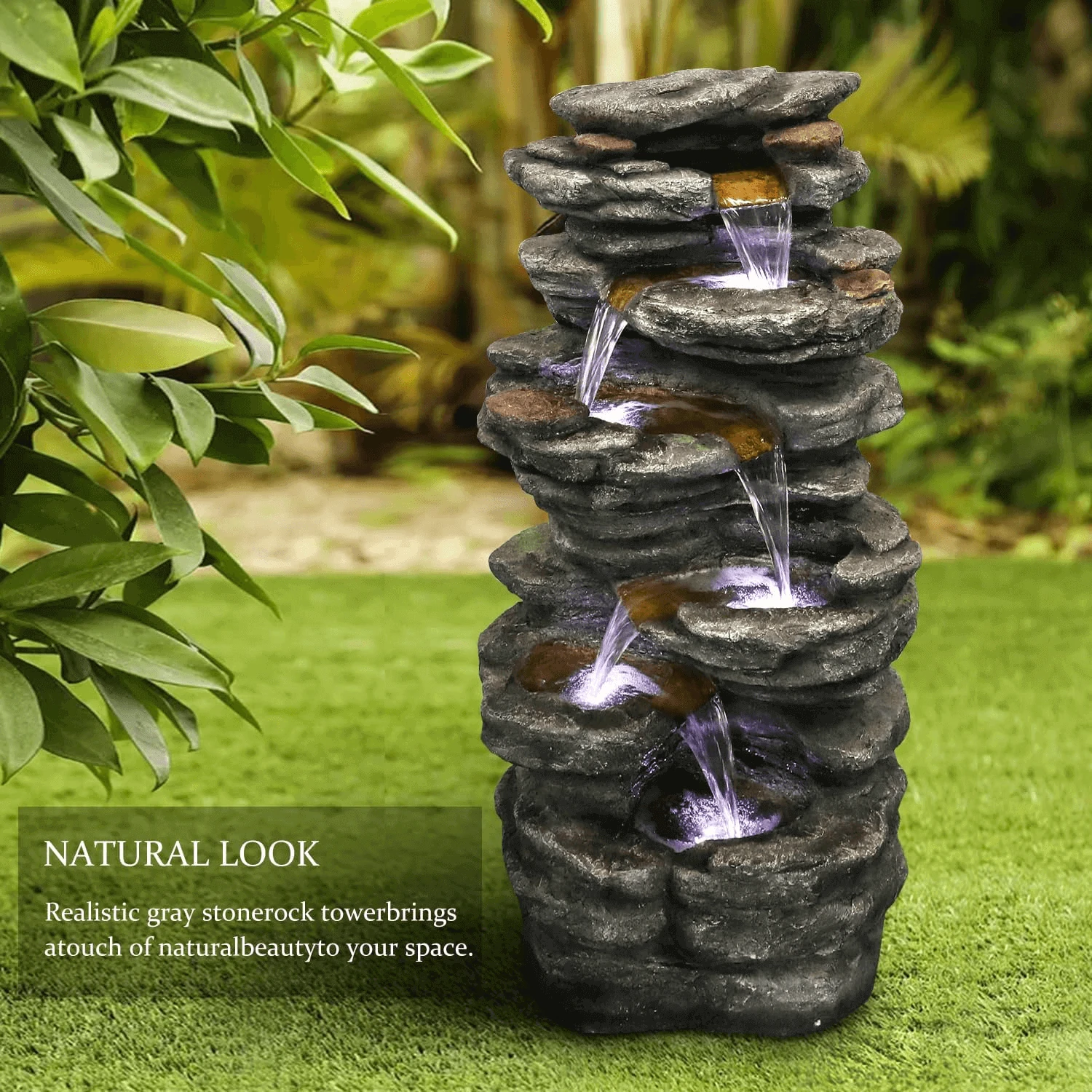
Key Features: Introducing the Custom Brand 48″ H 7-Tiered Stacked Shale Outdoor Fountain, a breathtaking centerpiece for your garden. This elegant water feature combines the natural beauty of stacked shale with modern LED lighting, creating a stunning focal point that transforms any outdoor space into a tranquil retreat.
39.3″H Wishing Well Outdoor Fountain with Buckets
Price: $209.99 USD
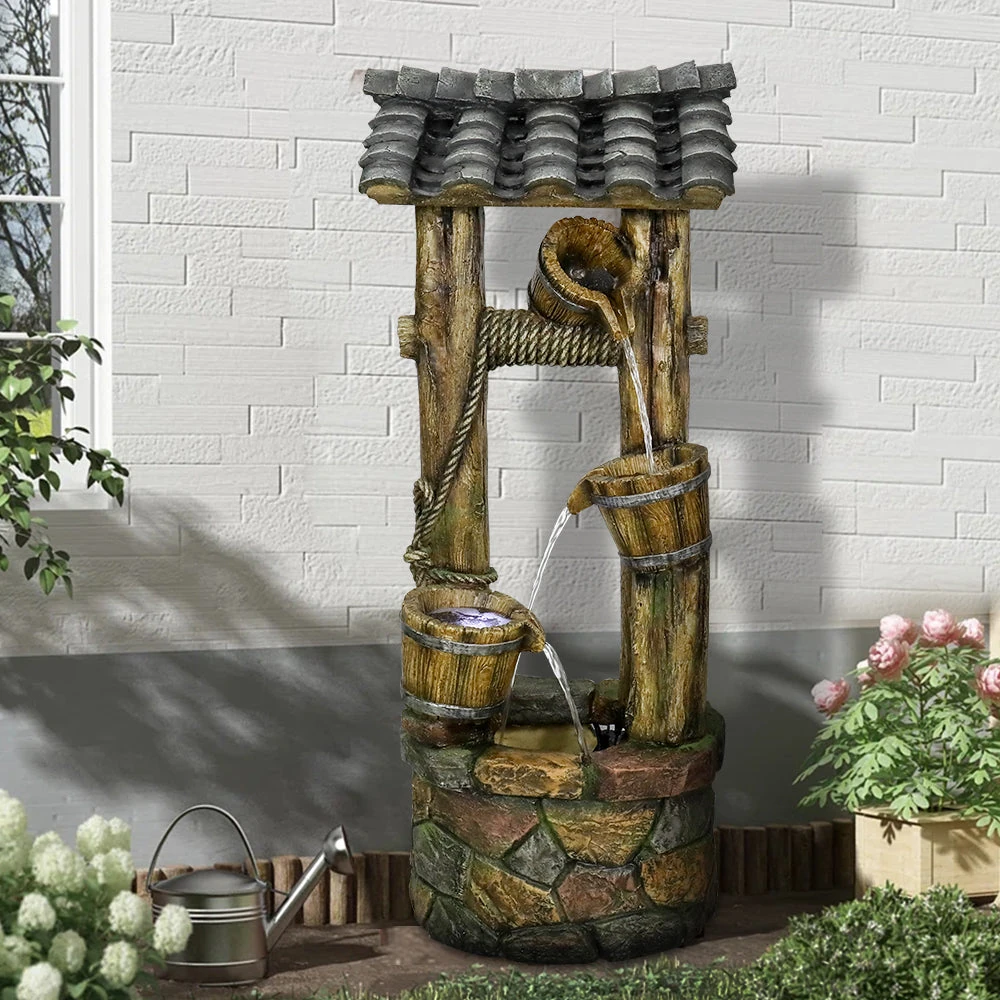
Key Features: Introducing the 39.3″H Wishing Well Outdoor Fountain with Buckets, a centerpiece of rustic charm and tranquil ambiance for your garden. This metal fountain features a classic wishing well design with functional buckets that add nostalgic character while producing gentle water sounds.
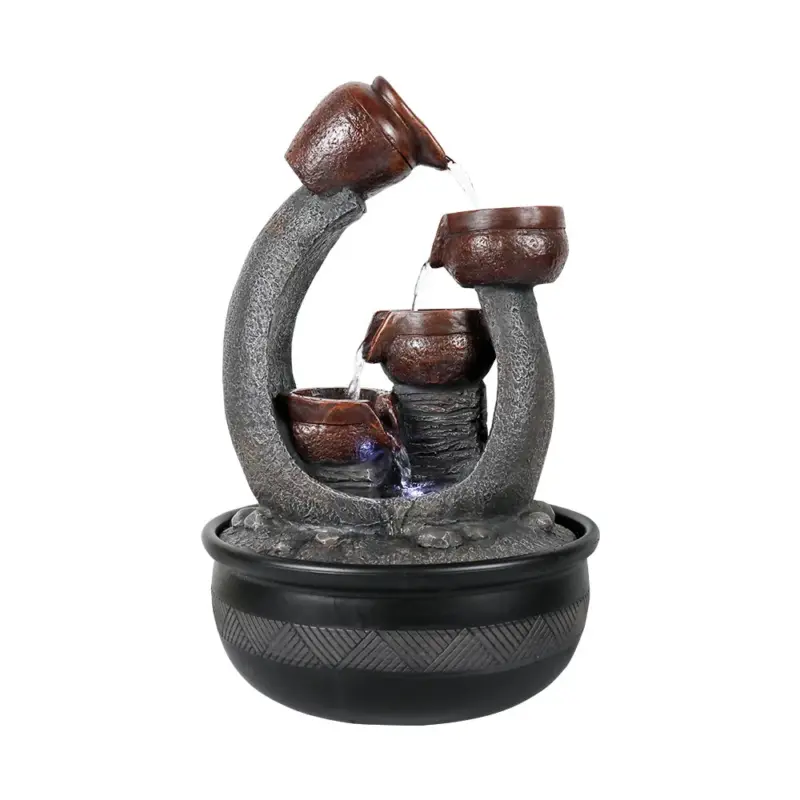
42.5″H-5 Tiered Clay Pot Outdoor Water Fountain with LED Light
Price: $279.99 USD
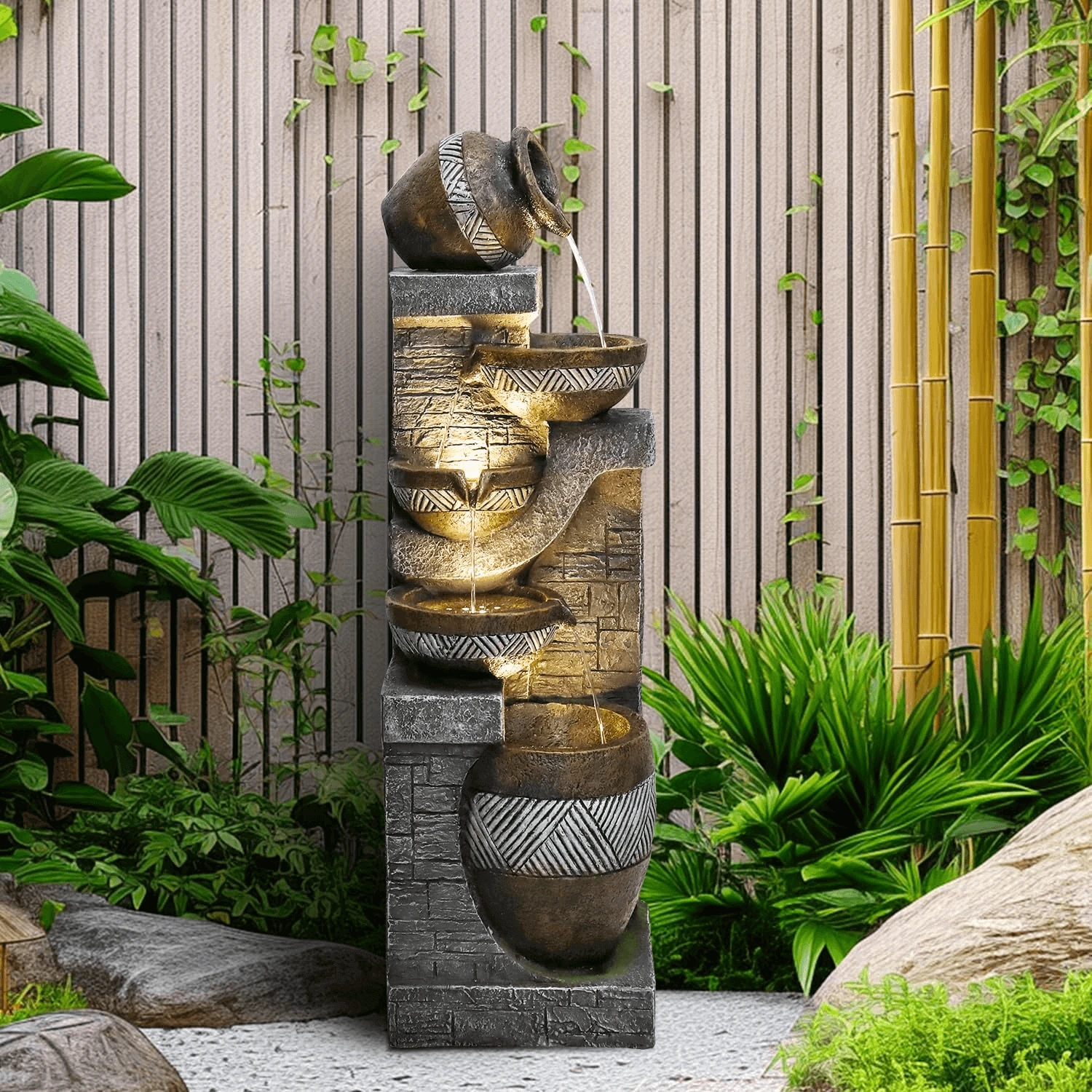
Key Features: Introducing our 42.5″H 5-Tiered Clay Pot Outdoor Water Fountain with LED Light. This stunning centerpiece combines rustic clay charm with modern illumination, featuring five cascading tiers that create a soothing symphony of water while the integrated LED lights provide magical evening ambiance.
Which Model Fits You?
- Small urban patio: Wishing Well—vertical footprint, 20” base, whisper-pump under 40 dB.
- Mediterranean vibe: Clay Pot—terra-cotta tone hides waterline scaling, LEDs pre-wired for smart plugs.
- Statement driveway circle: Stacked Shale—48” height visible from street, seven tiers = high sound masking for traffic.
- Budget first-timer: 5-Tier Garden—under $220, ships Prime, upgrade later with copper spillways or engraved collar.
Winterization & 12-Month Maintenance Calendar
2025 research from the Journal of Cold Climate Landscaping shows that fountains left wet but unheated suffer 3× more micro-cracks than those drained and covered. Your calendar:
– January: Pump indoor storage; cover basin with breathable mesh to keep out debris.
– March: Inspect GFRC for hairline cracks—brush on silane/siloxane sealer if water beads disappear in 3 seconds.
– May: Replace pump oil (new 2025 magnetic-drive units are serviceable).
– July: Add 2 oz algaecide monthly; UV bulbs last 14 months—set phone reminder.
– October: Gradually lower flow 25% each week to harden off plants and reduce fish stress.FAQ: Pricing, Lead Times, Warranties & Eco Footprint
Q1. What’s the true 2025 cost per square foot for a fully custom outdoor fountain?
Factory-direct GFRC now averages $44/ft² shell only; add $18/ft² for pump, plumbing, and LED. Artisan hand-carved cast stone climbs to $85–$110/ft². Shipping is additional—GFRC saves roughly $0.38/lb versus wet-cast stone.
Q2. How long until I see water running?
3D-printed PCA: 10–14 days. GFRC modular: 4–5 weeks. Hand-carved cast stone: 10–14 weeks. Add 1 week for permitting in CA, CO, or NY.
Q3. Will a custom fountain raise my water bill?
Evaporation loss in 2025 climates averages 0.6 gal/ft²/day during July. A 30 ft² feature adds roughly $8–$11/month in most U.S. cities—less than streaming services. Auto-top-off valves waste zero water compared to manual hose filling.
Q4. Are warranties transferable if I sell my home?
2025 standard: GFRC and cast stone shells carry 10-year structural, 3-year finish; pumps 2 years. Only 38% of manufacturers allow one-time transfer; require proof of maintenance log and inspection fee ($99).
Q5. How eco-friendly are custom outdoor fountains in 2025?
With solar DC pumps and rainwater top-off, a 36” GFRC fountain’s carbon footprint breaks even at 18 months compared to irrigating an equivalent area of turf. Specify low-alkali cement and recycled glass aggregate to cut embodied CO₂ by 22%.
Author: Marcella Whitman — Senior Water Feature Specialist, Certified Aquascape Builder (CAB-IV), and 2025 judge for the International Fountain Design Awards. She has overseen 1,300+ custom outdoor fountain installations across climate zones 3–10 and lectures nationally on low-impact water feature engineering.Related Articles & Recommended Guides