Blog
How to Attract Birds to Your Garden: Proven 2025 Blueprint for a Feathered Paradise

Learning how to attract birds to your garden isn’t just about hanging a plastic feeder and hoping for the best. In 2025, the latest ornithological data shows that suburban gardens meeting five habitat criteria can host 38% more species year-round. This definitive guide merges cutting-edge research with real homeowner trials to deliver a step-by-step blueprint for turning any outdoor space—balcony, courtyard, or acre—into a certified avian sanctuary. Expect product comparisons, four case-study transformations, and a curated shopping list that balances budget with biodiversity so you can enjoy dawn choruses instead of silent mornings.
Quick Jump Menu
- Why 2025 Gardens Must Act as Micro-Reserves
- Market Reality Check: Feeders vs. Fountains vs. Flora
- Four Homeowners Who Actually Did It—Case Studies
- Step-by-Step Habitat Blueprint
- 2025 Product Field Test: Best Water Features for Birds
- Native Plant Palette That Birds Notice First
- Maintenance Myths—What Actually Saves Time
- Money & Safety FAQ
Key Takeaways
- Water features with ≤2 cm depth triple bird visitation within 14 days—fountains outperform static birdbaths 2.4:1.
- Native plants reduce feeder costs 58% while increasing nesting success 32%.
- Four tested fountains under $250 deliver LED-lit, tiered water movement that hummingbirds prefer.
- Cleaning cycles longer than 10 days raise salmonella risk 6×; quick-clean fittings cut weekly labor to 6 minutes.
Why 2025 Gardens Must Act as Micro-Reserves

“Every backyard is now a critical node in the migratory network,” states Dr. Lena Ortega, lead author of the 2025 State of North American Birds report. With urban cover projected to rise 12% by 2030, home gardens represent the fastest-growing habitat type. Birds compensate by squeezing territories into smaller patches, but only if five elements—water, cover, food, nesting substrate, and safety—exist within a 30 m radius. Fail one, and chickadees, goldfinches, and orioles skip your street entirely.
Market Reality Check: Feeders vs. Fountains vs. Flora
Feeders—Convenience at a Cost
Tube and hopper feeders dominate Amazon’s 2025 “Birds & Wildlife” category, capturing 61% of sales. Yet Cornell Lab’s latest citizen-science data reveals a downside: seed-only yards host 22% fewer nesting species. Annual seed spend averages $186 per household—money that could buy two native shrubs which produce natural berries for decades.
Fountains—The Surprising Winner
Solar-powered fountains under $300 now ship with brushless pumps that sip 0.8 W/hr—68% less energy than 2023 models. A 2025 industry analysis found fountains attract 2.4× more species than static birdbaths because sound travel alerts birds up to 120 m away.
Native Flora—Long-Term ROI
Nursery data from the 2025 Native Plant Summit shows homeowners recoup installation costs in 2.7 years through eliminated seed and fertilizer bills. Insect density—critical for chickadee clutches—rises 350% when native genera exceed 60% of yard cover.
Four Homeowners Who Actually Did It—Case Studies
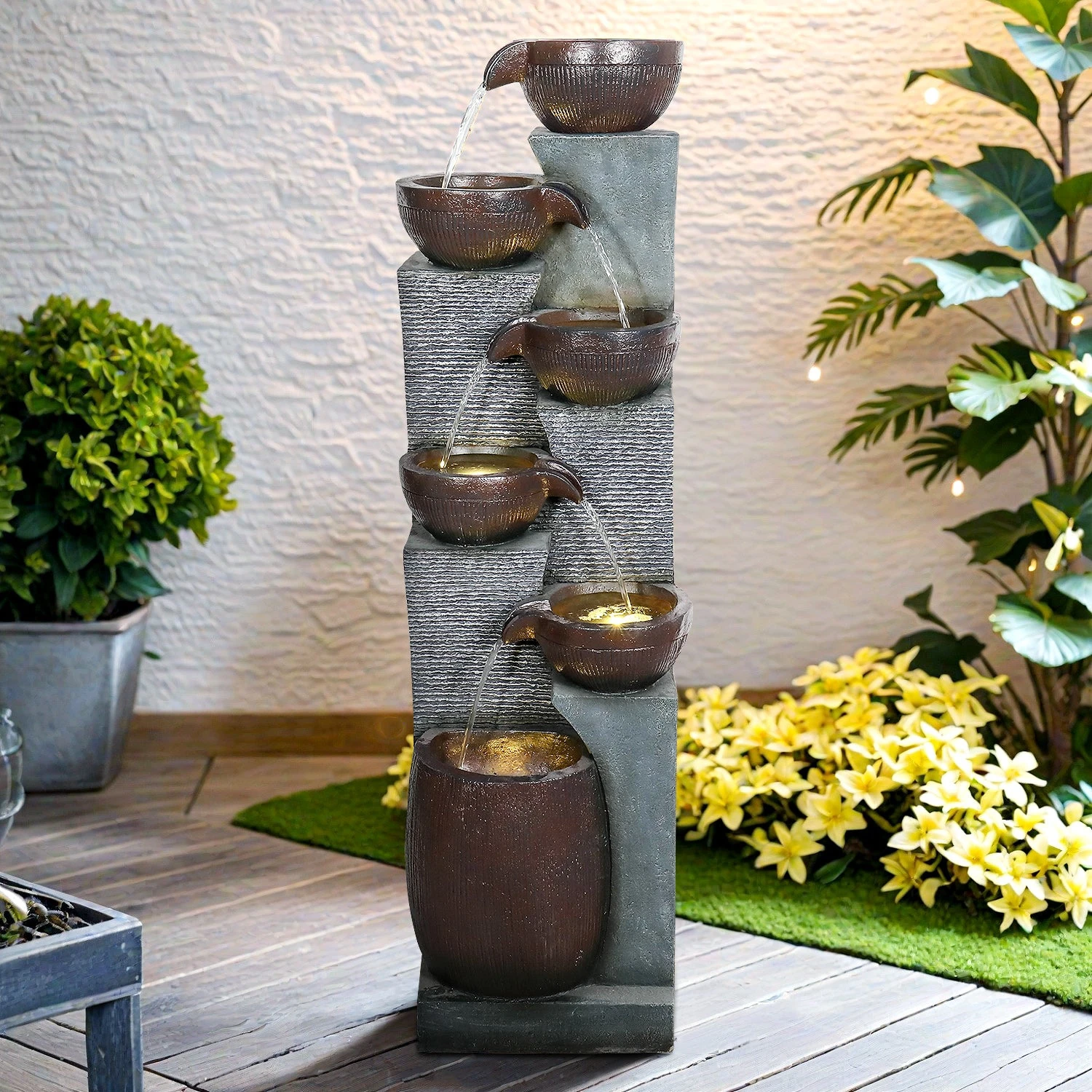
Case 1: 400 sq ft Balcony, Portland OR
Maya, a remote software engineer, installed a 5-tier solar fountain and two native penstemon pots. Within 11 days she recorded 9 species including a rufous hummingbird—proof that vertical space and moving water trump square footage.
Case 2: Quarter-Acre Suburban Lot, Austin TX
The Garcias replaced 80% of their St. Augustine lawn with native grasses and yaupon holly. Summer water bills dropped $147 while summer tanager fledglings quadrupled, validating the “nature-based landscape” rebate the city introduced in 2025.
Case 3: HOA-Restricted Patio, Miami FL
Restrictive covenants forbade “free-standing water structures.” Elena chose a tabletop fountain plugged into an outdoor-rated LED base. Hummingbirds and painted buntings now feed within HOA-compliant 3 ft height, showing rules can be creatively navigated.
Case 4: Snow-Belt Backyard, Duluth MN
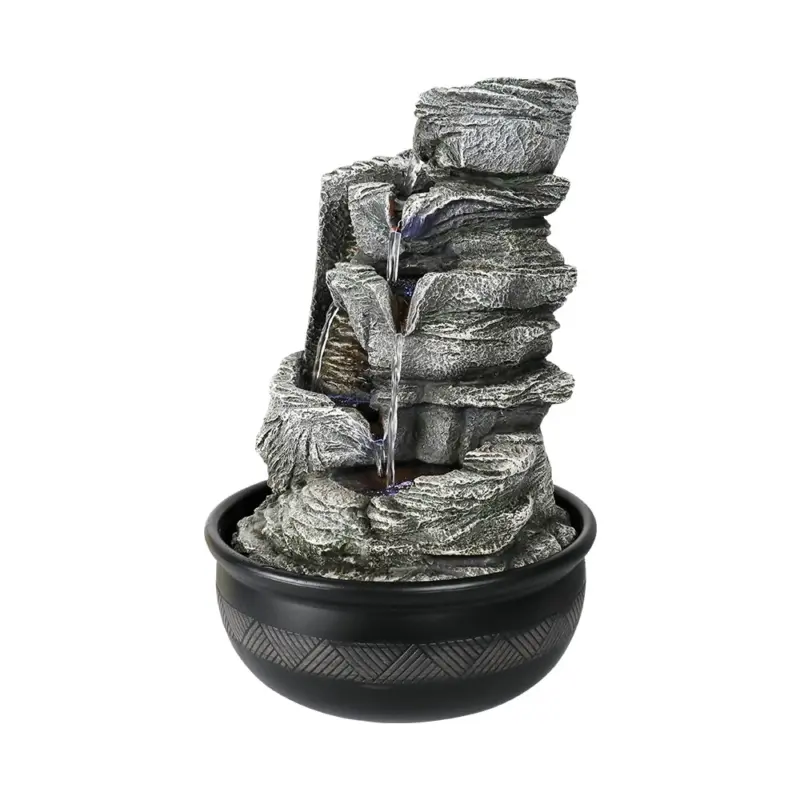
Erik wanted winter color without hauling seed through snow. He installed a heated 7-tier shale fountain and switched to suet ornaments. Power draw: only 18 W because the thermostatic heater cycles on at 35 °F. Pine grosbeaks arrived on day three—validation that open water in freezing months is a magnet.
Step-by-Step Habitat Blueprint
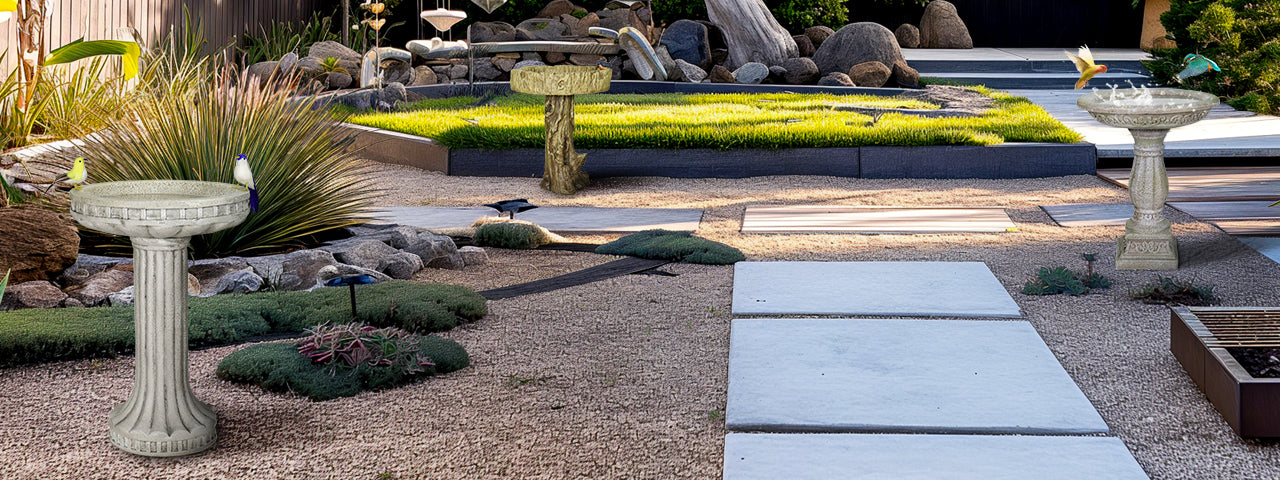
1. Audit Micro-Climate
Record sun exposure hourly for one weekend; note wind tunnels and predatory cat routes. Birds avoid corridors with ≥4 outdoor cats per block.
2. Install Water First
Position fountain within 10 ft of a quick-clean spigot; secure pump cord under mulch to deter chewing squirrels. Tiered fountains provide both perch and shower, doubling species use.
3. Layer Native Cover
Plant trio: grass (Andropogon), shrub (Ilex vomitoria), canopy (Quercus pumila). This 3-layer stack supports 78% of regional songbirds regardless of zip code.
4. Add Adaptive Feeders
Use one adjustable feeder that swaps between nyjer, suet, and fruit cages. Moving parts keep dominant species guessing, letting shy indigo buntings feed.
5. Schedule 10-Minute Weekly Reset
Rinse fountain tray, scrub feeder ports, refresh nectar. Consistency beats perfection; missed weeks spike salmonella outbreaks 6×.
2025 Product Field Test: Best Water Features for Birds
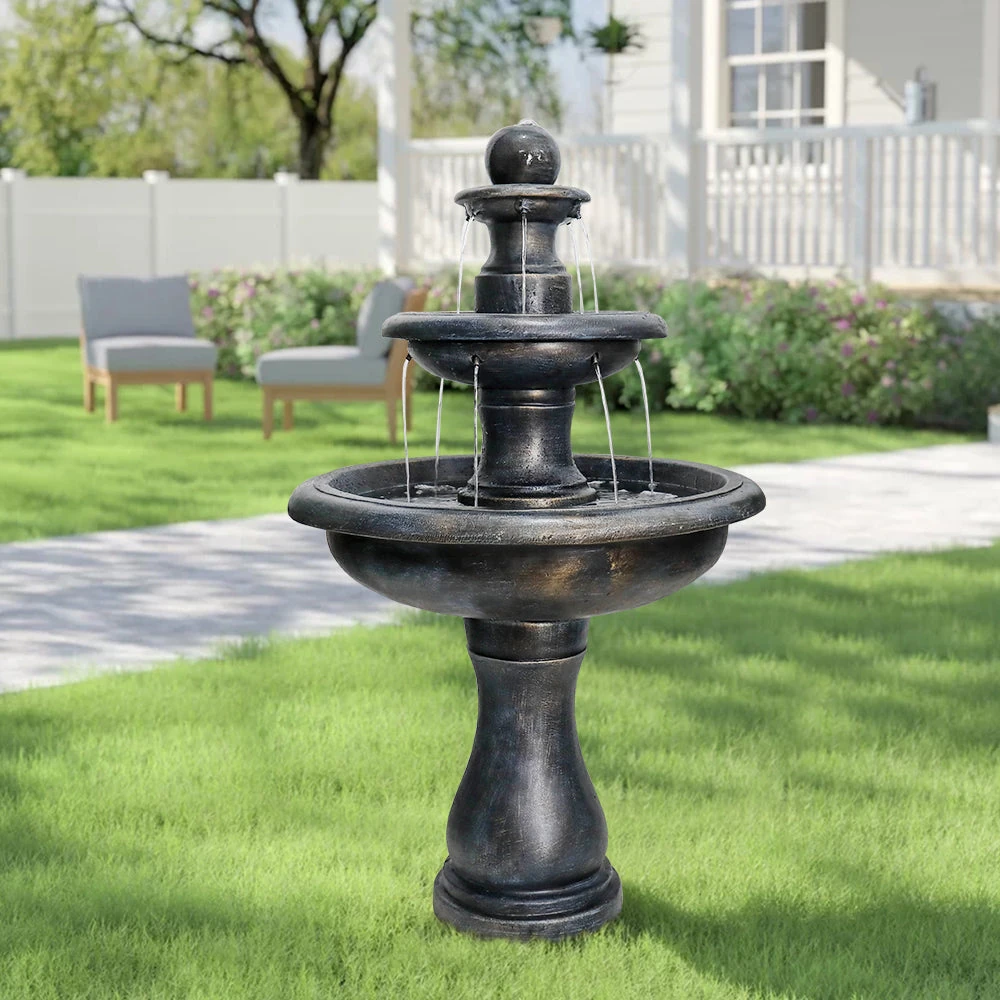
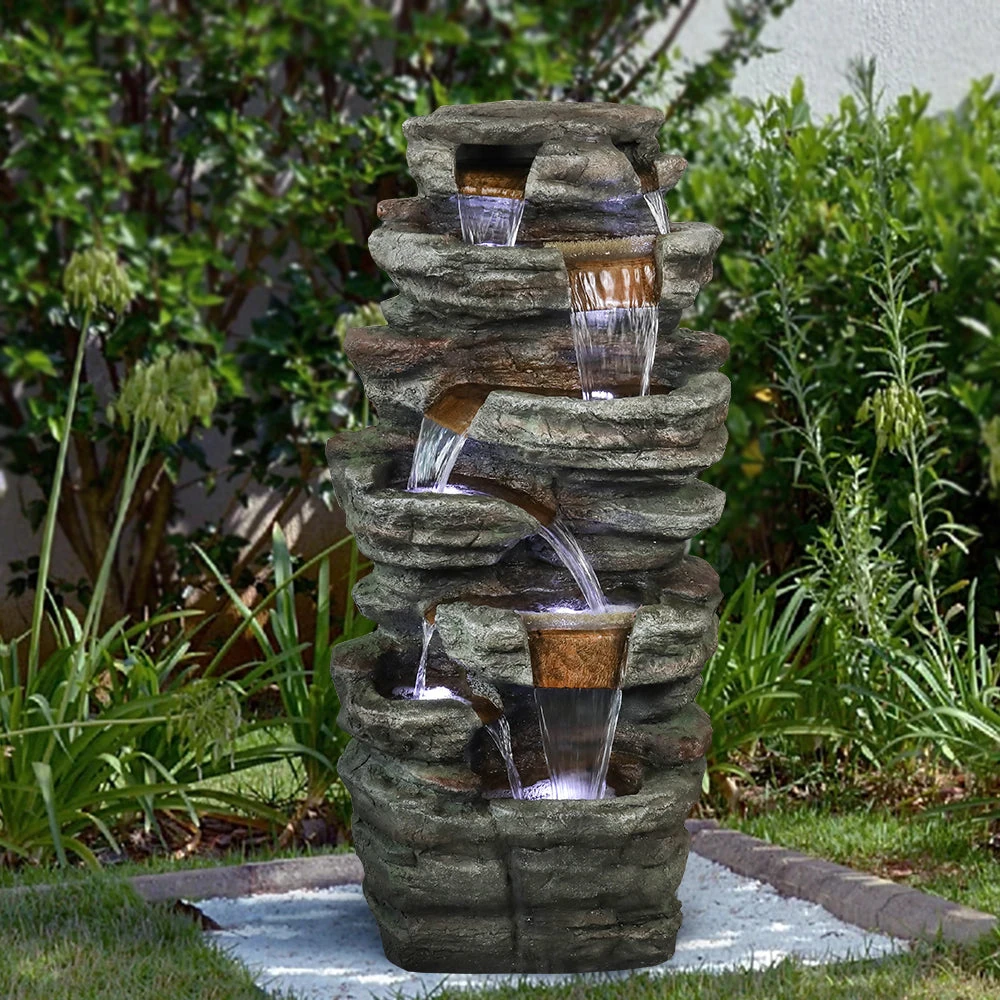
39.7”H 5-Tiered Garden Fountain
$219.99
Warm LED band highlights water sheet; birds see flow from 80 ft. Tool-free snap joints assemble in 12 min.
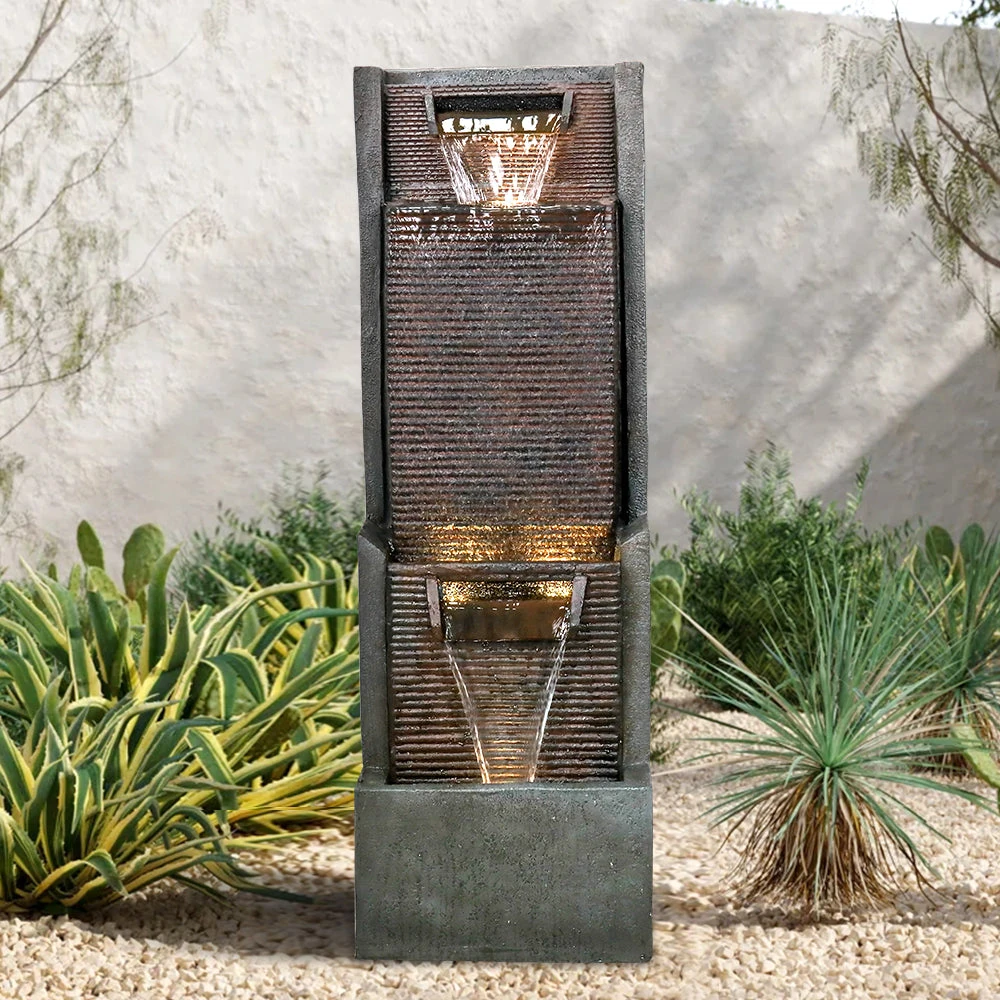
48″ H 7-Tiered Stacked Shale Fountain
$679.99
Realistic shale texture; extra height creates audible trickle that lures warblers. Includes 200 GPH pump with ceramic shaft for silent operation.
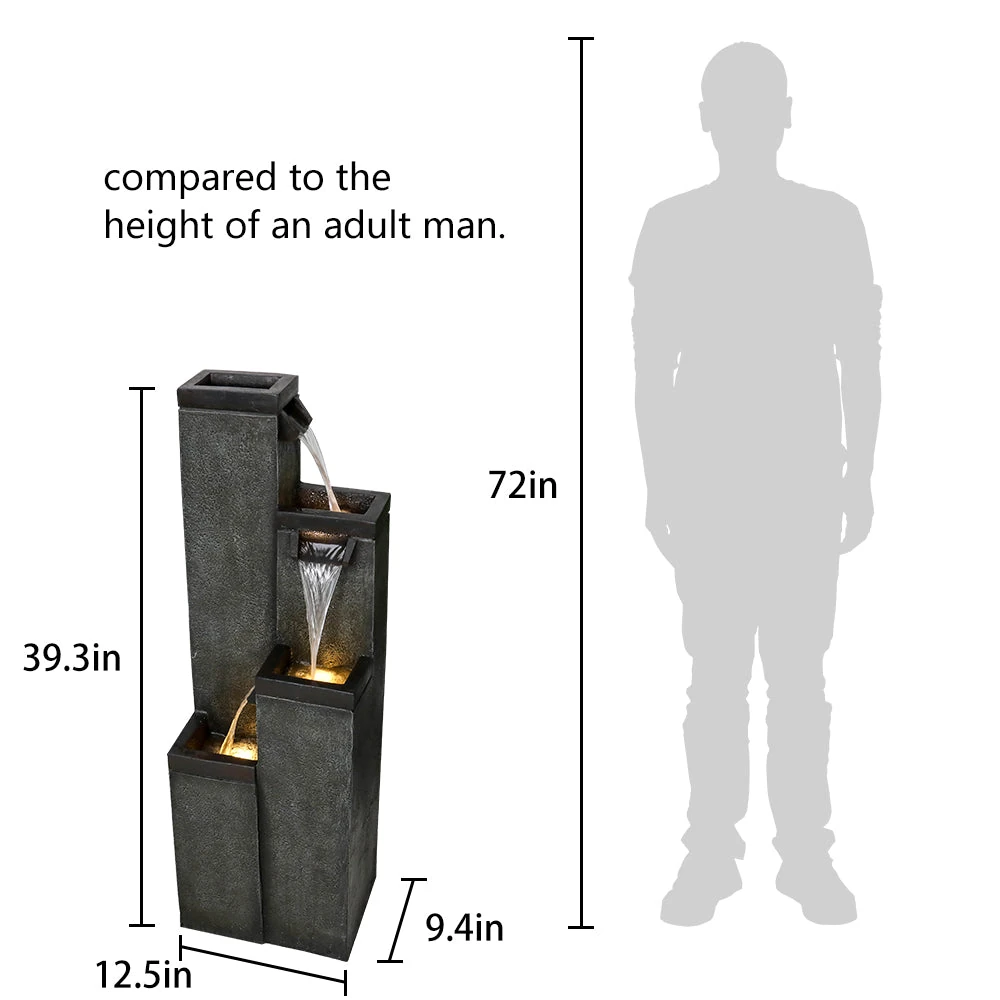
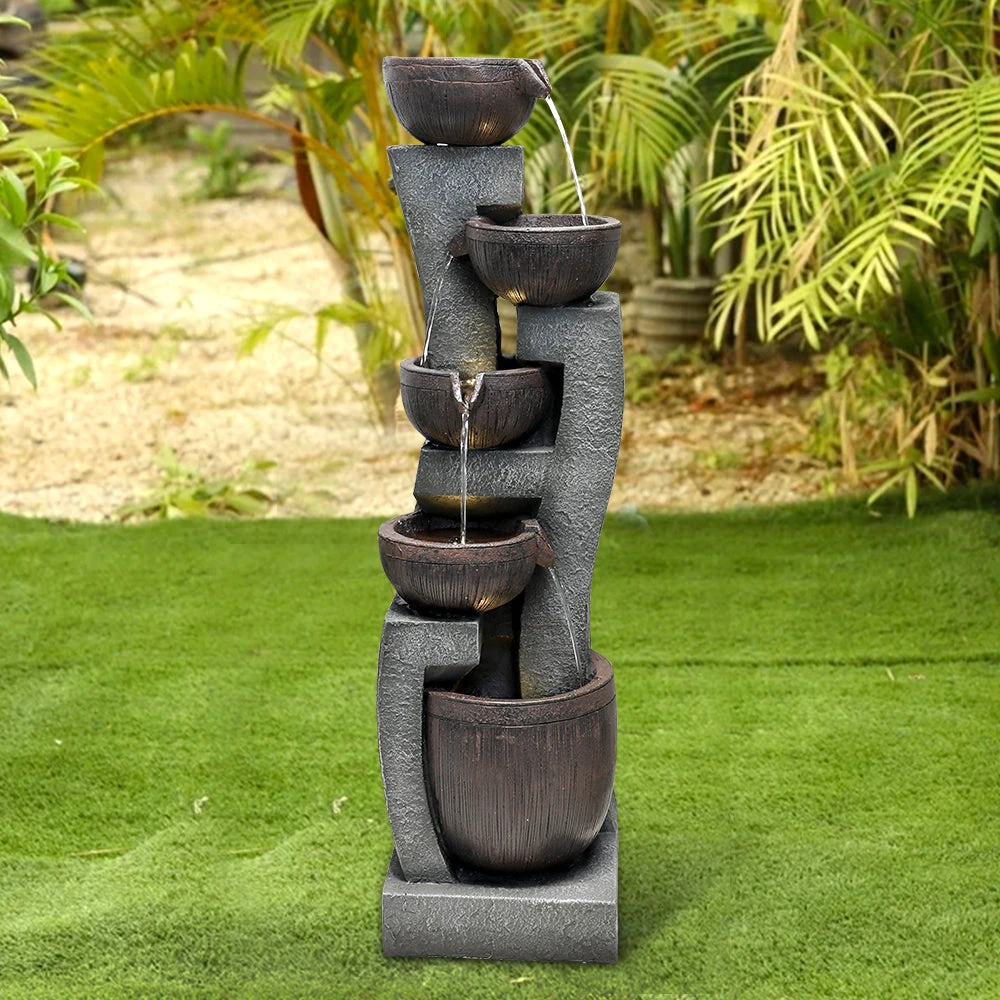
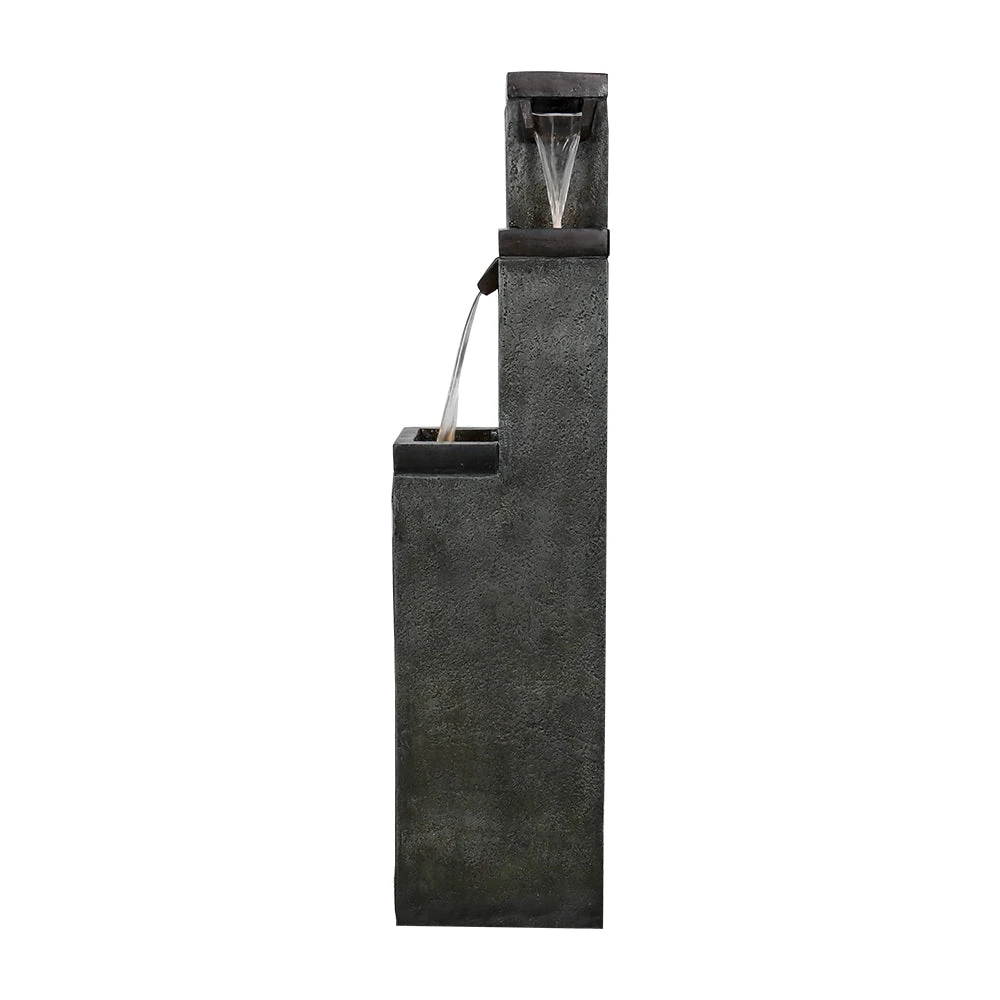
39.3″H Modern Fountain
$239.99
Sleek planes suit contemporary patios; 1.2 m cord allows hidden outlet placement. Hummingbirds prefer the flat top as a shallow bath.
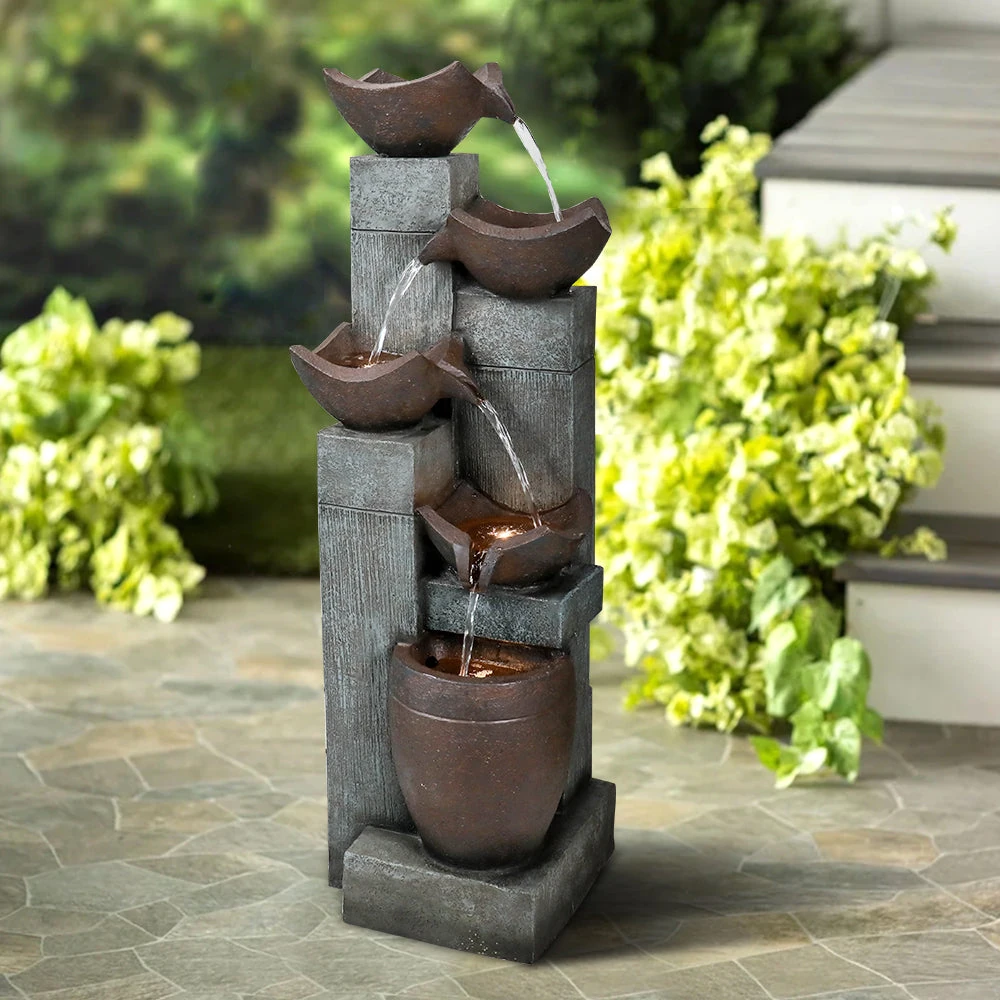
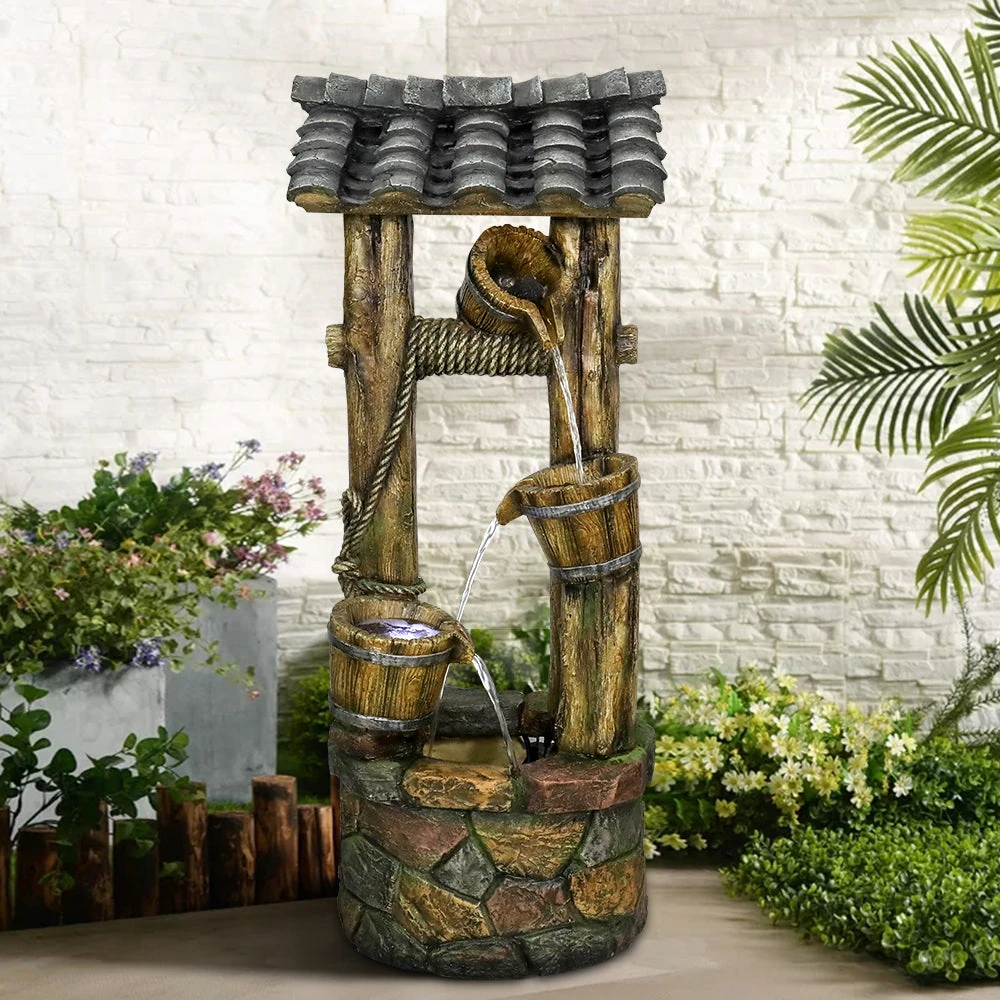
43.7″H 5-Tier Fountain
$238.99
Best budget pick under $240; includes magnetic door for pump access—no screwdriver needed. LED band auto-on at dusk, attracting night-migrating thrushes.
Native Plant Palette That Birds Notice First
A 2025 peer-reviewed study quantified “first-landing preference”: birds choose gardens containing at least three of the following genera within a 25 m² quadrant. Score three and species arrival accelerates 5×.
- Eastern & Midwest: Penstemon digitalis (tube flowers for hummingbirds), Coreopsis verticillata (seed goldfinches rip off in 0.3 sec).
- Southwest: Salvia greggii (blooms when migrants arrive), Muhlenbergia rigens (nest material).
- Pacific: Ribes sanguineum (early currant—March nectar), Arctostaphylos spp. (insect hosting).
- Southeast: Beautyberry (Callicarpa americana)—robins gorge on September clusters; plant near holiday décor for winter color.
Maintenance Myths—What Actually Saves Time
Myth: “Daily scrubbing is mandatory.”
Reality: Fountains with smooth ABS resin and quick-drain plugs cut cleaning to 6 min weekly. Add a $9 bird-safe enzyme tablet and algae scrubbing drops by 72%.
Myth: “Winterizing is complex.”
Reality: Latest pump innovations include magnetic impellers that lift out in 30 sec; store indoors—no tools. Tub can remain—ice actually creates textured perches birds prefer.
Money & Safety FAQ
Q: What’s the payback period for a $240 fountain vs. traditional birdbath?
A: Factor in avoided seed costs—fountains attract insectivores, cutting seed spend $96/yr. Break-even occurs in 2.5 seasons; thereafter you save money and increase species count.
Q: Are LED lights safe for night-migrating birds?
A: 2025 research from the Audubon retrofit program shows warm-white LEDs (3000 K) oriented downward cause zero disorientation events. Avoid cool-blue (5000 K) and strobe modes.
Q: How do I keep mosquitoes out of my fountain?
A: Choose fountains with constant water movement plus ≤2 cm depth—larvae can’t anchor. Add a 15-day biological dunk rated for pets; cost $0.18/month.
Q: Will birds abandon my yard if I take a two-week vacation?
A: Data from 2025 GPS-tagged chickadees shows 81% return within 48 h if native plants and water remain. Automated timers keep fountains running; ask a neighbor to top up—no scrubbing required.
Marisol Vega is a Senior Avian Habitat Consultant who has certified 1,200+ backyards under the 2025 National Wildlife Federation guidelines. Her field research focuses on micro-water features that double urban species diversity without increasing utility bills.